What Is Psychoanalytic Child Psychotherapy? A Guide for Parents and Carers
This blog explores how Psychoanalytic Child Psychotherapy helps children understand difficult emotions, experiences and relationships by looking beyond behaviour to what may be communicated underneath. Through play, conversation and a consistent therapeutic relationship, children can gradually make sense of their emotional world and develop new ways of understanding themselves and others.
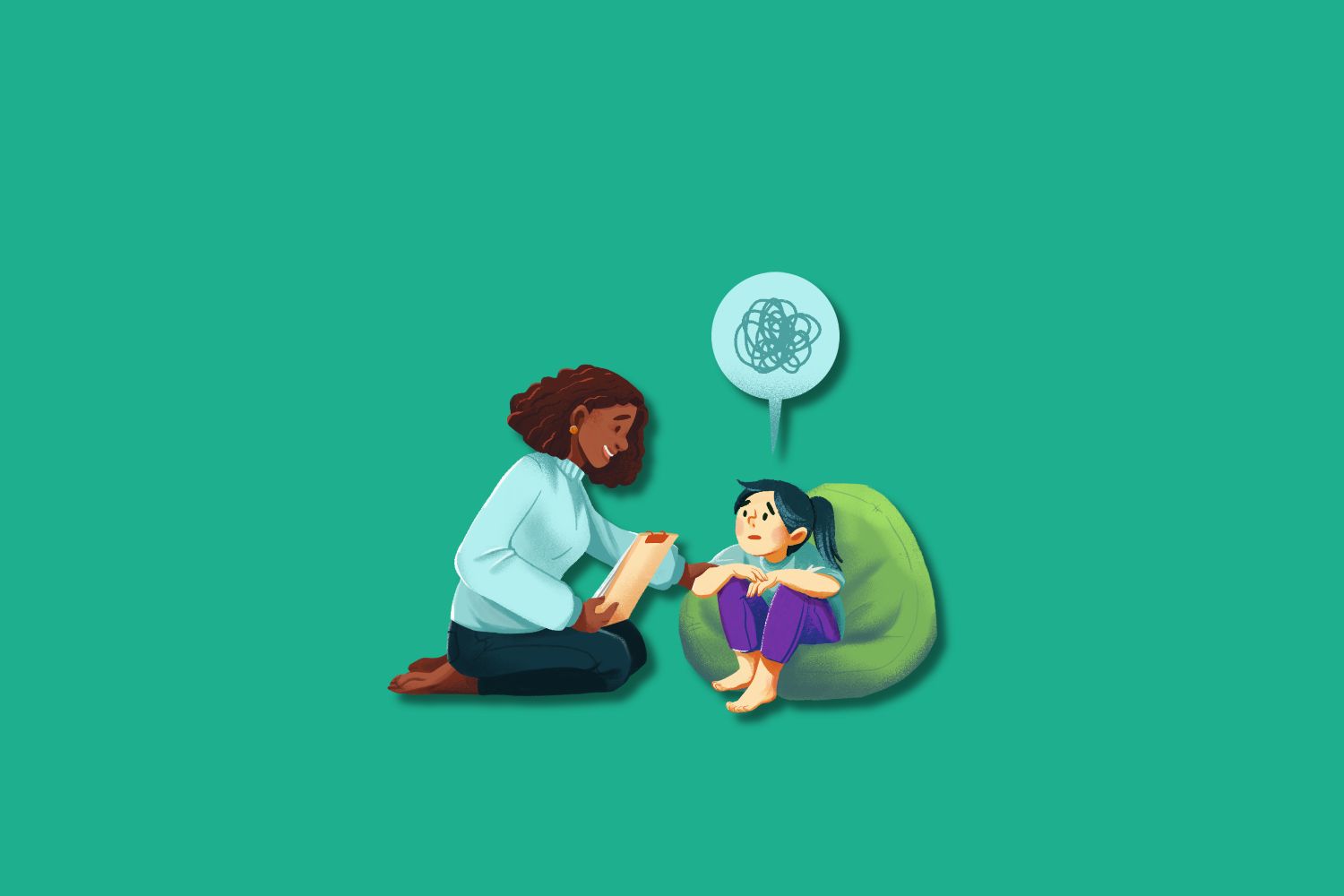
Psychoanalytic Child Psychotherapy is a form of psychotherapy that helps children understand difficult emotions, experiences and relationships.
It recognises that children do not always communicate emotional distress through words. Feelings and experiences may instead appear through behaviour, play, drawings, stories, silence or the way a child relates to other people.
For children affected by early trauma, psychotherapy can provide a consistent therapeutic relationship in which these different forms of communication can gradually be understood.
What is Psychoanalytic Child Psychotherapy?
Psychoanalytic Child Psychotherapy helps children explore their emotional world and develop a greater understanding of themselves and their relationships.
The approach is interested in what may be happening beneath a child's behaviour as well as the behaviour itself.
Children are not expected simply to sit and talk.
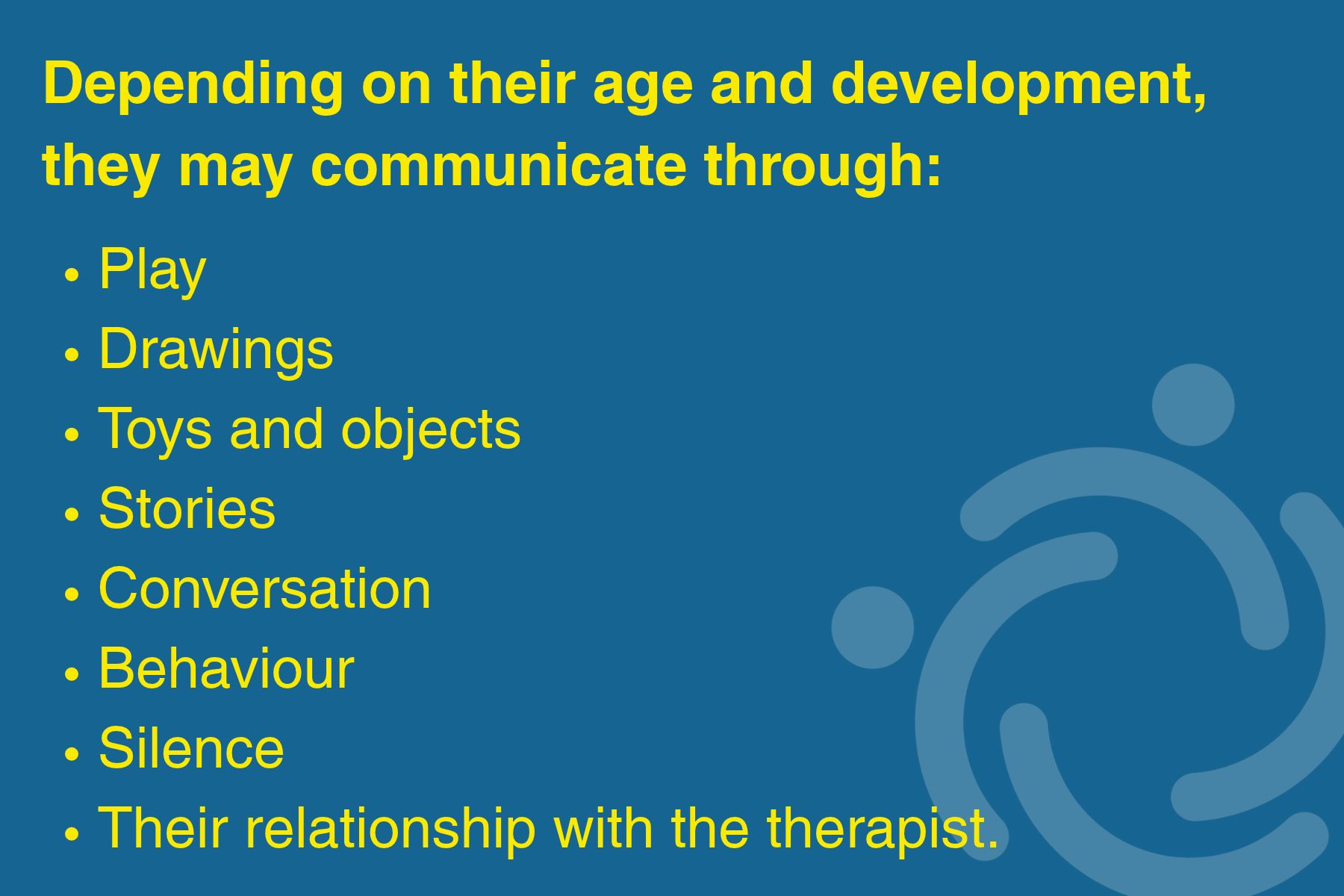
The therapist pays careful attention to these different forms of communication and considers what they may help us understand about the child's experiences and feelings.
How can Psychoanalytic Child Psychotherapy help children affected by early trauma?
Psychoanalytic Child Psychotherapy can help children affected by early trauma understand feelings and relationship patterns that may previously have seemed confusing or overwhelming.
Difficult early experiences can influence how children experience themselves, relationships and the world around them.
For example, some children may find it difficult to trust adults, manage strong emotions, cope with uncertainty or believe that relationships will remain safe when something goes wrong.
Psychotherapy provides space for these experiences to be gradually explored within a consistent relationship.
Why does psychotherapy look beneath behaviour?
Behaviour can communicate thoughts and feelings that a child cannot yet express in words.
Aggression, withdrawal, avoidance or a strong need for control can have many different meanings.
Rather than assuming why a child is behaving in a particular way, psychoanalytic thinking encourages curiosity about what may be happening underneath.
For example, a child's need to control a situation could sometimes be connected to anxiety or previous experiences of unpredictability.
Understanding the possible feelings beneath behaviour does not mean removing boundaries. It means considering the child's emotional experience alongside their actions.
What is emotional containment?
Emotional containment describes the process of helping a child experience, understand and think about feelings that might otherwise seem overwhelming.
A child may bring fear, anger, sadness, anxiety or confusion into therapy.
Rather than becoming overwhelmed by those feelings or immediately trying to remove them, the therapist provides a calm and thoughtful space where they can gradually be noticed and understood.
Over time, this can support a child's ability to recognise and think about their own emotions.
Why is play used in child psychotherapy?
Play can be an important way for children to communicate experiences that are difficult to express directly.
A child might repeatedly create stories or games involving danger, separation, rescue, loss or control.
This does not mean that every game has a hidden meaning or represents something that has happened in the child's life.
Instead, the therapist remains curious about recurring patterns and considers them alongside the child's development, experiences and therapeutic relationship.
Play can therefore provide another window into how a child experiences themselves and the world around them.
Why is the relationship with the therapist important?
The therapeutic relationship is central to Psychoanalytic Child Psychotherapy because previous experiences of relationships can influence how children approach new ones.
A child whose relationships have previously felt unpredictable may expect adults to disappear, reject them or respond negatively when something goes wrong.
Consistency within therapy can therefore be important.
Regular sessions, clear boundaries and a reliable relationship create predictability.
Difficult moments within that relationship can also become meaningful. Misunderstandings, anger or disagreements can sometimes be explored and repaired rather than automatically resulting in rejection or disconnection.
What happens during a child psychotherapy session?
A psychotherapy session will look different depending on the individual child.
A younger child might spend much of the session playing or drawing. An older child may choose to talk more directly.
Some children may move between talking, playing and silence.
Rather than following a fixed programme of activities, the therapist pays attention to what the child brings into the session and considers recurring feelings, relationships and themes over time.
Does the therapist analyse everything a child does?
No. Psychoanalytic Child Psychotherapy is not about assigning a hidden meaning to everything a child says, draws or plays.
The same behaviour can mean very different things for different children.
Therapists consider communication within the wider context of the individual child's experiences, development and relationships.
The aim is to develop understanding rather than simply "decode" behaviour.
Is Psychoanalytic Child Psychotherapy only about childhood experiences?
No. Although past experiences can be important, psychotherapy also focuses on how a child experiences their life and relationships in the present.
Previous experiences may influence what children expect from other people or how they respond to particular situations today.
Understanding these connections canhelp children make greater sense of their current emotions and relationships.
Does understanding behaviour mean accepting harmful behaviour?
No.
Trying to understand what a behaviour communicates does not mean that boundaries or expectations disappear.
Children can be supported with clear boundaries while adults remain curious about the feelings, experiences or needs that may be contributing to the behaviour.
Understanding and boundaries can exist alongside one another.
How can Psychoanalytic Child Psychotherapy support emotional development?
Over time, psychotherapy can help children develop a greater understanding of their feelings, experiences and relationships.
Emotions that previously seemed overwhelming, confusing or disconnected may gradually become easier to recognise and think about.
For children affected by early trauma, having a consistent relationship in which their emotional experiences are taken seriously can provide opportunities to develop different understandings of themselves and others.
Sometimes meaningful change begins not by asking how quickly a behaviour can be stopped, but by becoming curious about what that behaviour might be communicating.