Resources
Discover a wealth of knowledge and resources in The Mulberry Bush’s learning hub. Whether you’re delving into nurture-based education, child development strategies, or therapeutic approaches, our curated selection offers insights and tools to support your journey.
Explore articles, downloadable sheets and expert interviews to nurture growth and understanding in the fields of education and child welfare.


Can physical activity support children’s emotional regulation?
Martin’s Level 5 Foundation Degree research explored how structured physical activity could support children’s emotional wellbeing, leading to a six-week Run Club focused on confidence, relationships and personal achievement. The project shows how practice-based learning can turn everyday observations into meaningful experiences for children.
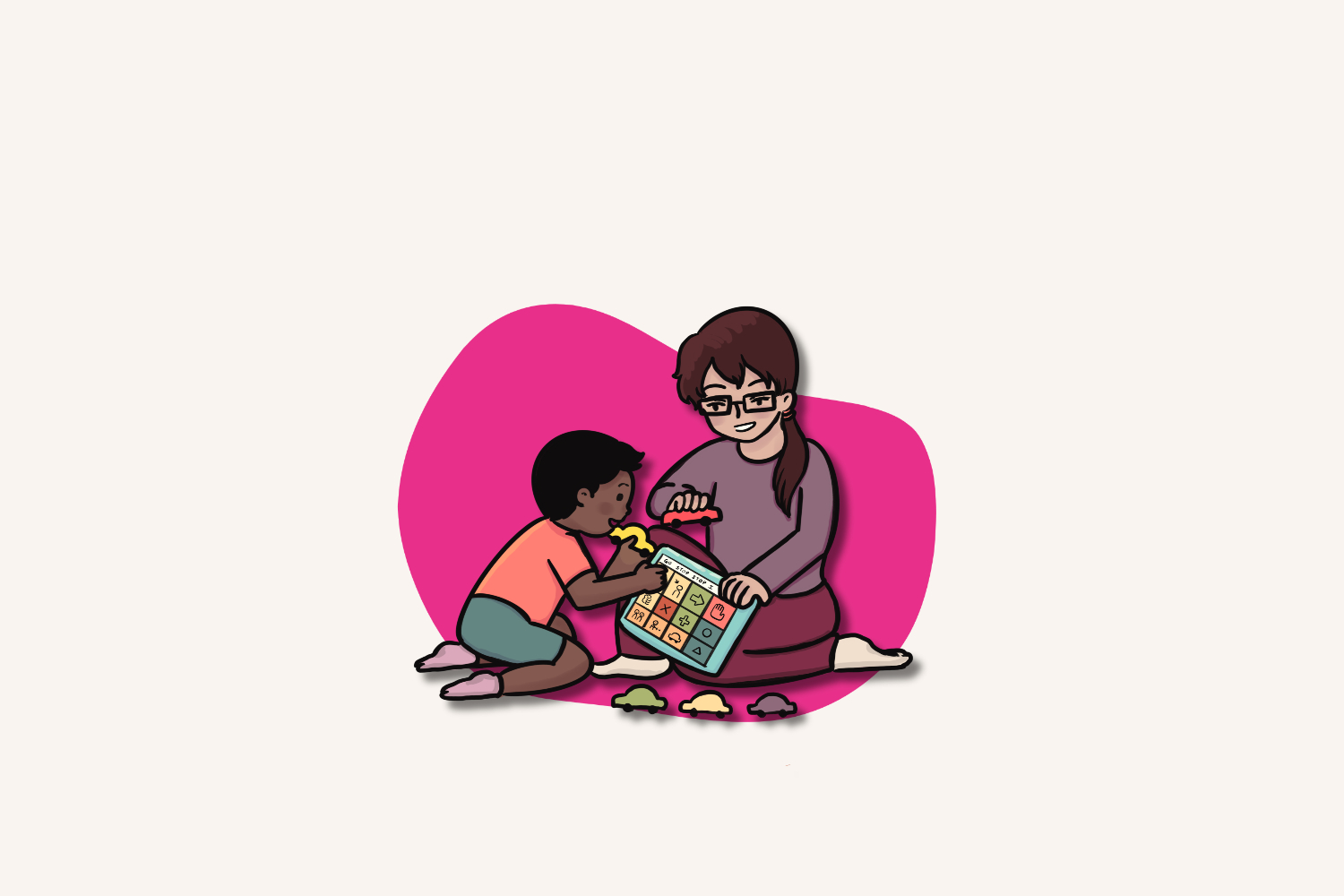
Speech and Language Therapy and Childhood Trauma: A Guide to Communication, Behaviour and Emotional Regulation
Speech and Language Therapy can help children understand language, express their needs and navigate social communication, particularly when difficult early experiences make communication harder. By recognising behaviour as a possible form of communication and making language more accessible, adults can better understand and respond to what a child may be trying to express.
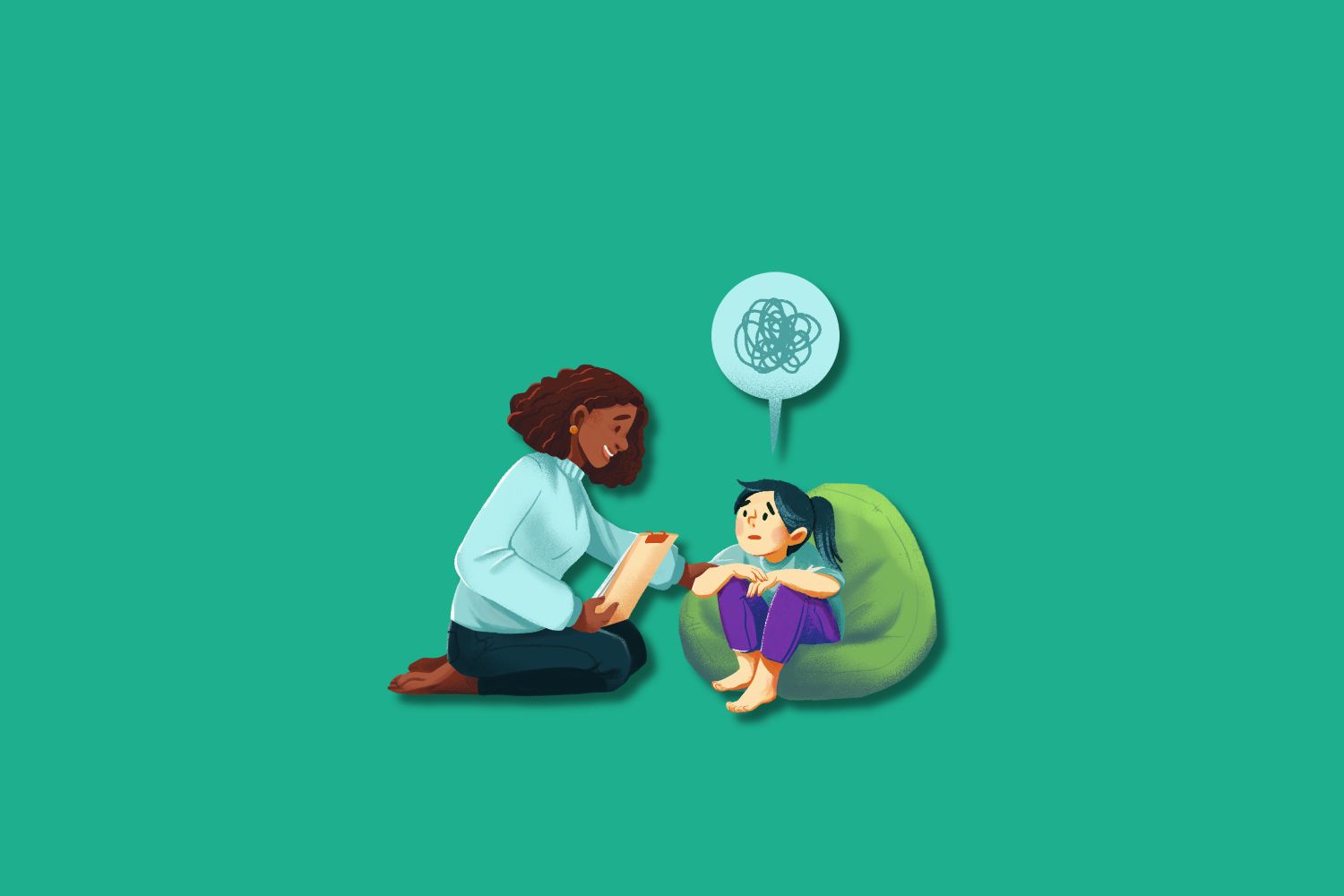
What Is Psychoanalytic Child Psychotherapy? A Guide for Parents and Carers
This blog explores how Psychoanalytic Child Psychotherapy helps children understand difficult emotions, experiences and relationships by looking beyond behaviour to what may be communicated underneath. Through play, conversation and a consistent therapeutic relationship, children can gradually make sense of their emotional world and develop new ways of understanding themselves and others.

What Is Drama Therapy? A Guide to Drama Therapy for Children Affected by Early Trauma
Drama therapy uses play, storytelling, movement and creativity to help children explore feelings and experiences when words may be difficult to find. For children affected by early trauma, it provides a safe therapeutic space to communicate, build understanding and explore emotions at their own pace.