Speech and Language Therapy and Childhood Trauma: A Guide to Communication, Behaviour and Emotional Regulation
Speech and Language Therapy can help children understand language, express their needs and navigate social communication, particularly when difficult early experiences make communication harder. By recognising behaviour as a possible form of communication and making language more accessible, adults can better understand and respond to what a child may be trying to express.
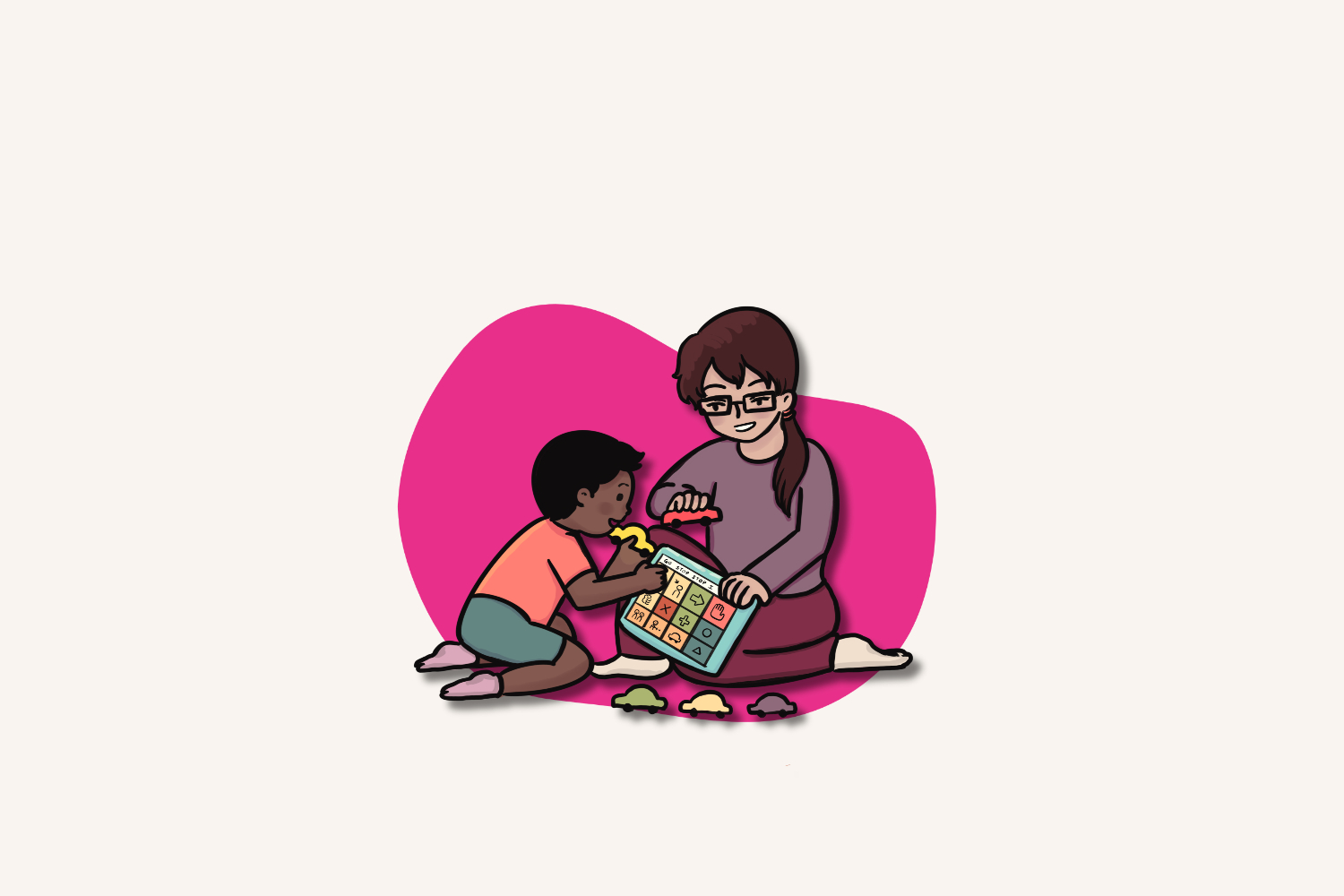
Speech and Language Therapy supports much more than a child's ability to pronounce words or speak clearly.
It can help children understand language, express thoughts and needs, process information and navigate social communication.
For children affected by early trauma or chronic stress, communication can sometimes become particularly difficult. A child may struggle to understand what is being said, organise their thoughts or communicate that they feel confused, worried or overwhelmed.
When words are difficult or unavailable, behaviour may become an important form of communication.
What is Speech and Language Therapy?
Speech and Language Therapy assesses and supports different aspects of communication.

Speech and Language Therapy can involve working directly with a child as well as helping parents, carers and other adults make communication more accessible.
Can early trauma affect speech and language?
Early trauma does not affect every child in the same way, and communication difficulties can have many causes.
However, difficult early experiences, chronic stress and disrupted relationships can be associated with challenges in areas that are important for communication.
These may include attention, processing information, emotional vocabulary, organising thoughts and understanding social situations.
Communication can also become more difficult when a child is anxious, distressed or overwhelmed.
It is therefore important to understand each child's individual communication profile rather than assuming that all communication difficulties are caused by trauma.
What is the connection between communication and behaviour?
Behaviour can sometimes communicate something that a child cannot easily express through words.
A child may need to communicate:
"I don't understand."
"I'm worried."
"This is too much."
"I need help."
"I need a break."
If they cannot easily express that message, adults may see the behaviour without recognising the communication behind it.
Remaining curious about what behaviour might be communicating can help adults understand what support a child needs.
How can communication difficulties affect emotional regulation?
Communication difficulties can make emotionally demanding situations harder to manage.
Imagine feeling overwhelmed but not being able to explain why.
A child might understand that something feels wrong without being able to identify the emotion, organise their thoughts or tell another person what they need.
Providing accessible ways to communicate needs can therefore support emotional regulation.
A child might learn to ask for help, request a break, make a choice or communicate that they do not understand.
These messages can be communicated through speech, symbols, pictures, gestures or other methods appropriate for the child.
What is Total Communication?
Total Communication is an approach that uses different methods of communication rather than relying exclusively on speech.
This can include:
- spoken language
- visual information
- symbols
- pictures
- gestures
- body language
- objects
- predictable routines.
The aim is to make communication as accessible as possible for the individual.
For example, a visual timetable may help a child understand what is happening during the day without having to remember a series of verbal instructions.
Why might visual communication help children affected by trauma?
Visual information can make communication more predictable and reduce the amount of spoken information a child needs to process.
A child who finds uncertainty particularly difficult may benefit from seeing what is happening now and what will happen next.
Visual timetables, symbols or now-and-next boards can make expectations clearer.
These approaches should be chosen according to the individual child's communication needs rather than assuming every child affected by trauma requires the same support.
Why might adults need to change how they communicate?
Communication is a two-way process.
Sometimes supporting a child's communication means changing how the adults around them communicate.
A child who struggles to process spoken language may find long explanations, rapid questions or several instructions at once difficult to understand.
Adults may therefore be encouraged to:
- use clear and concise language
- give one instruction at a time
- reduce unnecessary language
- use visual information
- slow their pace
- allow additional processing time.
These adjustments can reduce communication demands and make it easier for a child to understand what is expected.
What is processing time?
Processing time is the time a person needs to hear information, understand it, organise a response and communicate that response.
Some children need longer than adults expect.
If an adult asks another question immediately or repeatedly rephrases what they have said, the child may receive even more language to process.
Allowing a pause can therefore be an important communication strategy.
A delayed response does not necessarily mean a child is ignoring the adult or refusing to answer.
What is social communication?
Social communication refers to how people use and understand communication when interacting with others.
It can include:
- taking turns in conversation
- understanding another person's perspective
- recognising facial expressions and body language
- interpreting tone of voice
- understanding social expectations
- repairing misunderstandings.
Some children may need additional support to navigate these aspects of communication.
Speech and Language Therapy can help identify individual strengths and difficulties and develop appropriate strategies.
Is Speech and Language Therapy only for children who struggle to speak?
No. A child can speak clearly and fluently while still experiencing significant communication difficulties.
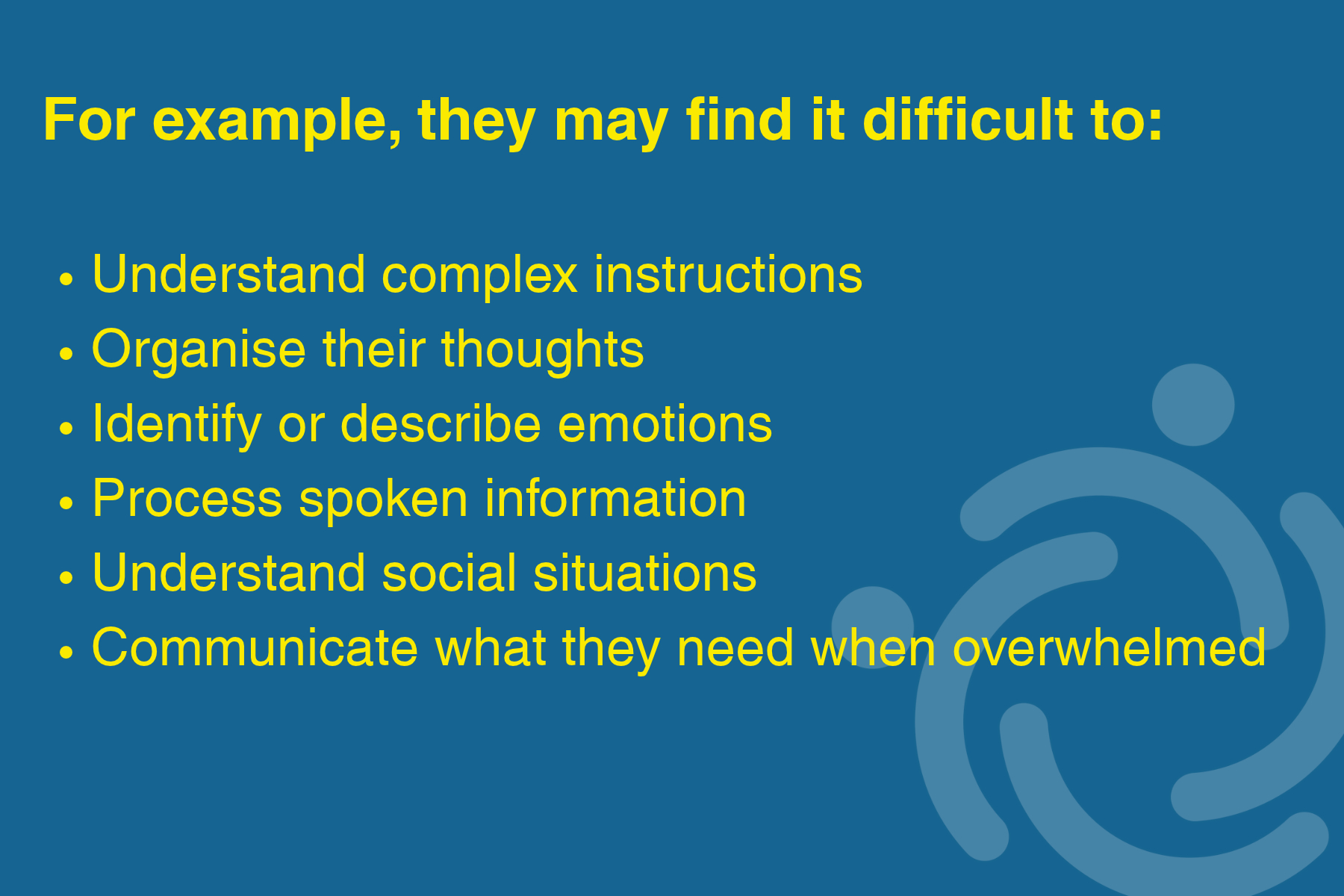
These difficulties can sometimes be less visible than speech difficulties.
Does challenging behaviour mean a child has a communication difficulty?
Not necessarily.
Behaviour is complex, and there are many reasons why a child may respond to a situation in a particular way.
Communication is one area worth considering.
Rather than assuming a child "won't" follow an instruction, adults might consider whether the child fully understands it, has had enough time to process it and has an accessible way to communicate if something is wrong.
Can Speech and Language Therapy be used alongside psychological therapies?
Yes. Depending on a child's individual needs, Speech and Language Therapy can form part of wider support.
For example, a child might receive Speech and Language Therapy alongside Drama Therapy, Psychoanalytic Child Psychotherapy or another therapeutic approach.
These approaches have different areas of focus. Speech and Language Therapy can help understand and support communication needs, while psychological therapies may explore emotional experiences and relationships in different ways.
Why is accessible communication important for children affected by early trauma?
Being able to understand other people and communicate your own needs is an important part of everyday relationships.
For children affected by difficult early experiences, communication may become harder at precisely the moments when they most need other people to understand them.
A child may speak confidently when calm but find language much harder to process when overwhelmed. Another child may have a wide vocabulary but struggle to identify and communicate emotions.
Understanding these differences can help adults respond more thoughtfully.
Instead of asking only, "Why won't this child communicate?", it can be useful to ask:
"What might this child be communicating, and how can we make it easier for them to be understood?"